March 21, 2025
Introduction
Penetration testing, often referred to as ethical hacking, is a cybersecurity assessment in which security professionals simulate real-world cyberattacks to identify vulnerabilities in an organization’s systems, applications, and networks. Unlike automated security scans, penetration testing involves skilled professionals who think like attackers and uncover vulnerabilities that could be exploited by malicious hackers.
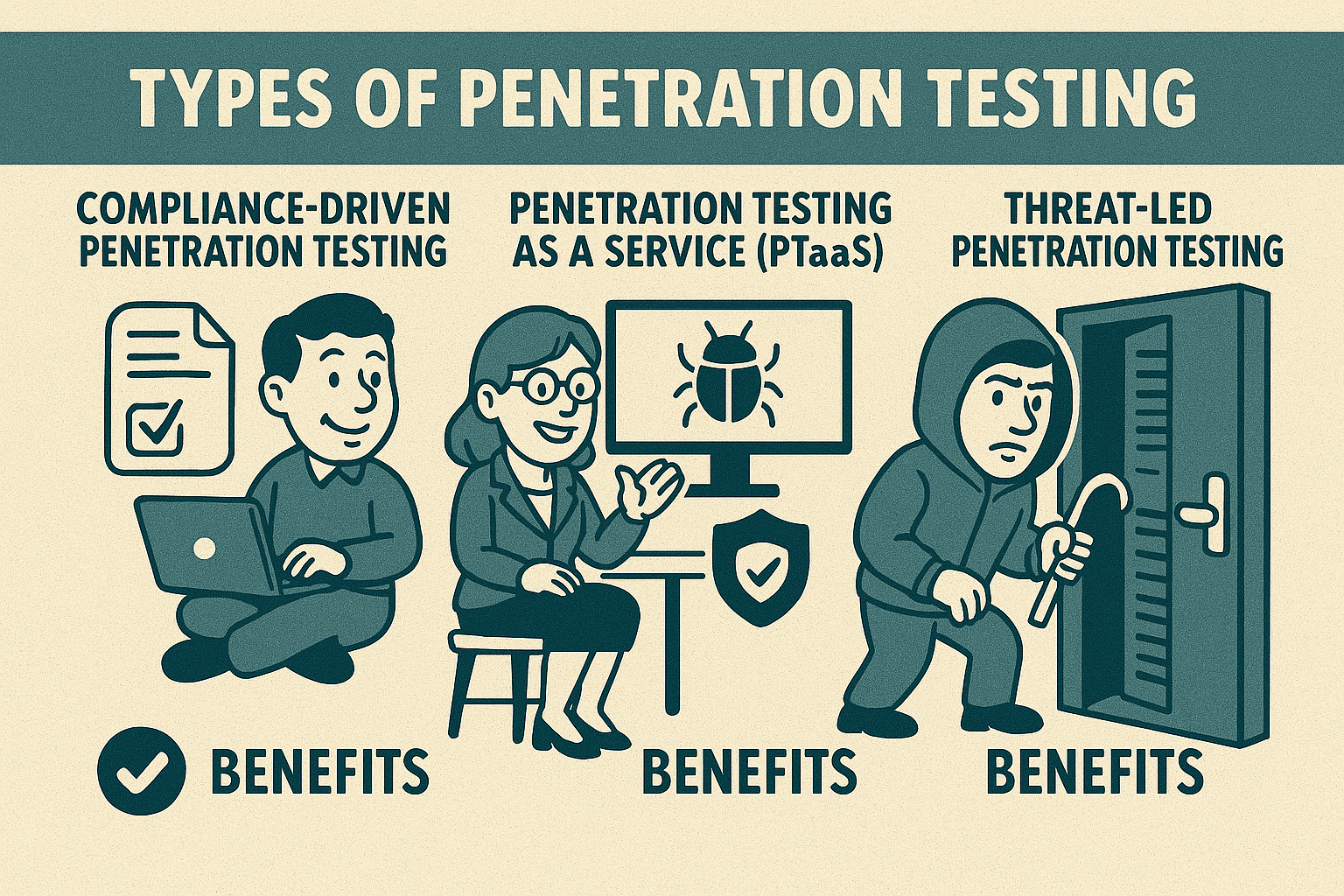
In this article, we’ll explore the different types of penetration tests—compliance-driven, penetration testing as a service (PTaaS), and threat-led testing. We’ll discuss when and why each type is necessary, who benefits from them, and how to determine the best option for your organization’s specific security needs.
Compliance-driven penetration testing
A compliance-driven penetration test is designed to meet regulatory and industry security requirements, such as PCI-DSS, HIPAA, ISO 27001, or SOC 2. Its primary goal is to ensure an organization’s security controls align with mandated standards, helping to avoid fines, legal risks, and reputational damage.
Key aspects of compliance-driven testing:
- Framework-Based Assessments – Ensures critical assets are tested against known vulnerabilities and security best practices.
- Regulatory Compliance – Helps organizations pass audits and meet legal obligations.
- Risk Identification – Detects security gaps before they can be exploited by attackers or flagged by regulators.
- Ideal for Data-Sensitive Organizations – Essential for businesses handling sensitive financial, healthcare, or customer data.
- Assurance & Risk Mitigation – Strengthens overall security posture while ensuring compliance.
Penetration Testing as a Service (PTaaS)
PTaaS is a continuous approach to security testing that combines automated scanning with manual testing on an ongoing basis. Unlike traditional, one-time penetration tests, PTaaS offers:
- Real-time vulnerability detection with continuous monitoring
- Remediation guidance through a cloud-based platform
- Scalable security assessments suited for dynamic environments (e.g., SaaS, DevOps)
- Improved collaboration between security and development teams
- Cost-effective testing that adapts to evolving threats
Challenges and Limitations
- Regulatory concerns – Some industries and compliance bodies may not accept PTaaS as a valid substitute for traditional pentesting.
- Legal liability – Organizations must clearly define responsibilities to avoid risks from unintended service disruptions or data exposure.
- Limited manual testing – While PTaaS includes expert-led assessments, it may not fully replace deep, manual penetration testing for complex attack scenarios.
Threat-Led Penetration Testing
Threat-led penetration testing focuses on simulating real-world attack scenarios based on current threat intelligence and adversary tactics. Unlike compliance-driven or automated testing, this approach tailors assessments to an organization’s specific risks, industry threats, and attack surface.
The Digital Operational Resilience Act (DORA) mandates Threat-Led Penetration Testing (TLPT) for financial entities within the EU to strengthen cybersecurity resilience. TLPT under DORA must:
- Follow a Risk-Based Approach: Testing must be tailored to the organization’s threat landscape, focusing on critical systems and real-world attack scenarios.
- Be Conducted by Accredited Providers: Independent, qualified testers must perform the assessment to ensure credibility and compliance.
- Include Live Threat Simulations: Ethical hackers must replicate tactics used by real adversaries to test detection and response capabilities.
- Cover Critical ICT Assets: Testing must target key information and communication technology (ICT) systems that are essential to business operations.
- Be Performed at Least Every Three Years: Regular TLPT ensures continuous adaptation to evolving cyber threats.
- Ensure Supervisory Oversight: Regulatory bodies must be informed, and findings should be addressed with remediation plans.
DORA’s TLPT framework aligns with established methodologies like TIBER-EU and CBEST, ensuring financial institutions are prepared against sophisticated cyber threats.
What we offer
As we’ve seen, different business needs call for different types of penetration testing. While we offer traditional pentesting solutions, our approach goes beyond conventional methods.
In a typical penetration test, the scope is often limited to a specific web or mobile application, focusing on application or infrastructure-level vulnerabilities. However, we take a more collaborative approach, working closely with clients to analyze their entire infrastructure and architectural solutions. This deeper understanding allows us to uncover unique security risks that arise from the client’s specific environment.
Traditional pentests provide a snapshot of security at a single point in time, while Pentest-as-a-Service (PTaaS) may not always be feasible—especially in development or UAT environments where legal obligations restrict external access via VPN.
To address these challenges, we offer continuous engagements, allowing clients to prioritize different focus areas for testing over time. This approach ensures ongoing security feedback across various elements of the client’s systems.
By maintaining long-term familiarity with a client’s infrastructure and fostering close collaboration, we can provide more tailored security recommendations. During the scoping phase, we help determine which modules, systems, or components should be prioritized, excluded, or even expanded—ensuring the most effective and comprehensive security assessment possible.
Explore the Latest in Cybersecurity
Stay ahead of cyber threats with insights from the Naunet blog. Our experts share their knowledge on the latest cyber defense trends, techniques, and technologies. Whether you want to deepen your understanding or apply new strategies, our blog is your go-to resource for reliable, expert-backed content in the cybersecurity domain. Join our community of professionals and elevate your security posture with every post.

OpenClaw is an open source AI assistant that runs on your machine and connects to chat apps like Telegram, Discord, and Slack. It is useful because it collapses message intake, web access, tool invocation, and stored authority into one runtime. These features make it a very inviting application however that is also the core danger.
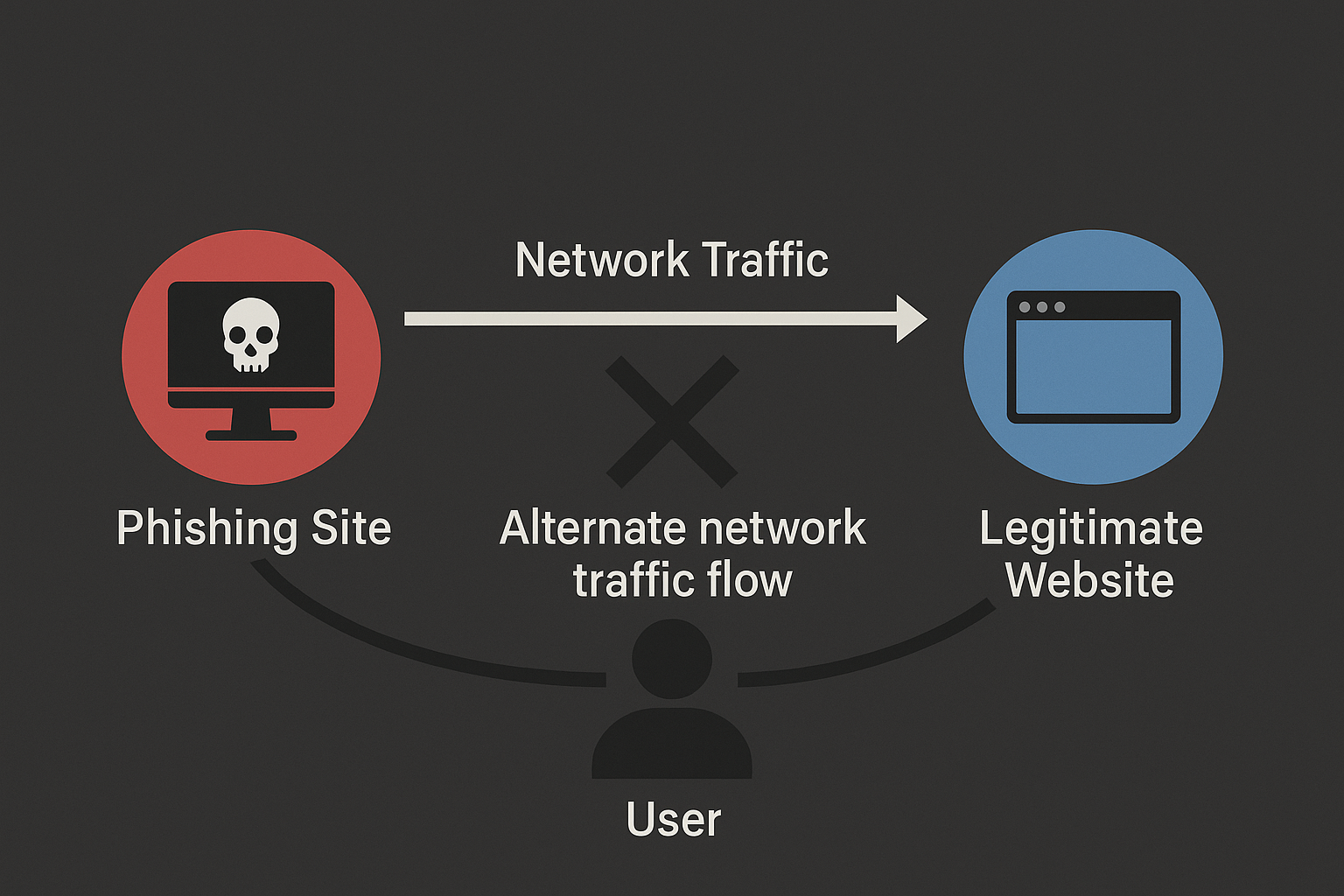
How to use Evilginx 3 with Custom Certificates
Two ways to use Evilginx 3 community edition with custom (even wildcard) certificates.

Last year, I conducted a phishing campaign as part of a red team assessment. Let me share what I learned about SPAM filters. I also had access to the internal mailing system, allowing me to test my theories on the target.
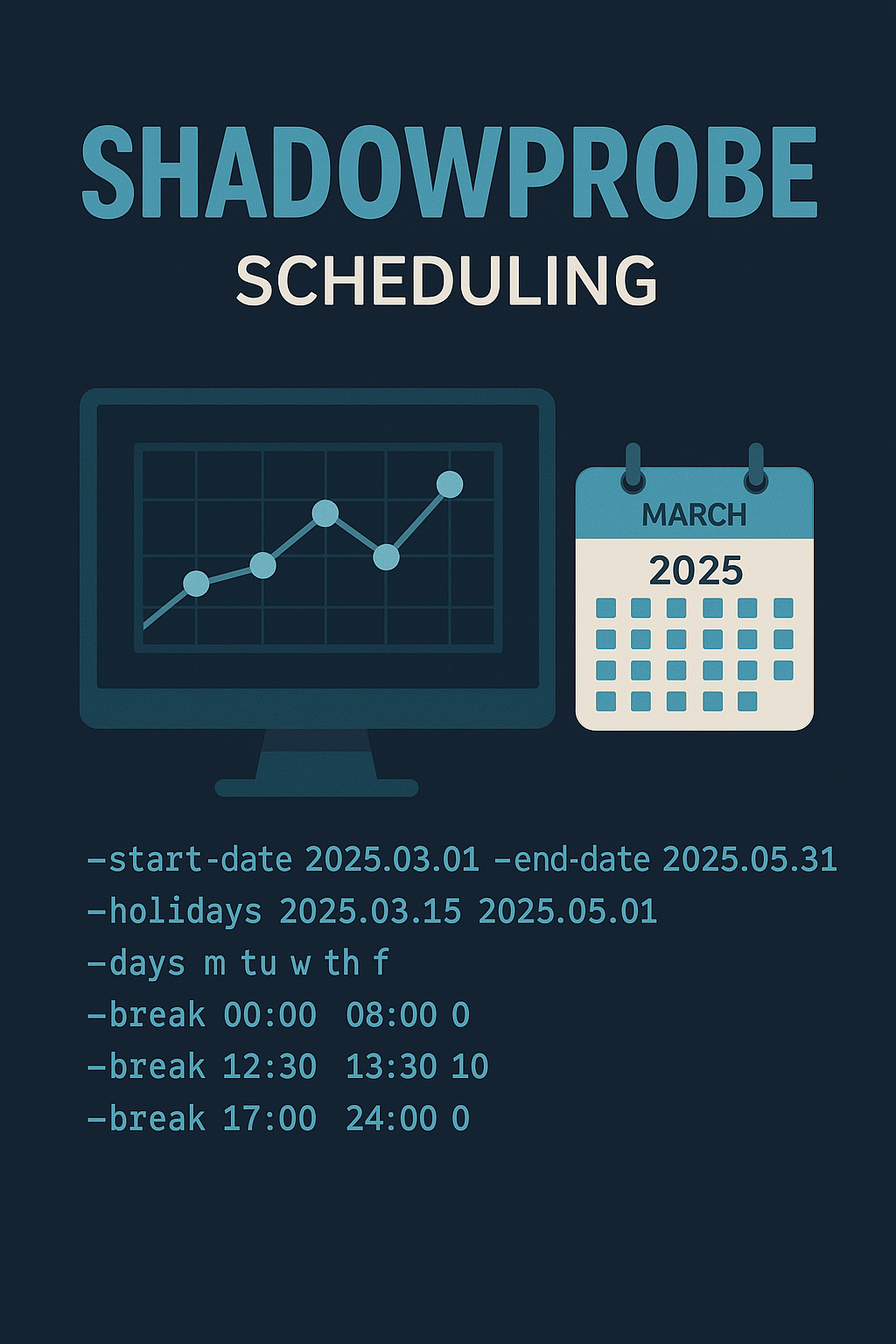
Stealthier than Nmap: ShadowProbe
ShadowProbe is a custom-made, TCP-only port scanner designed for multiple targets, featuring an inbuilt scheduler. It is a tool intended to run for days or even weeks once started.
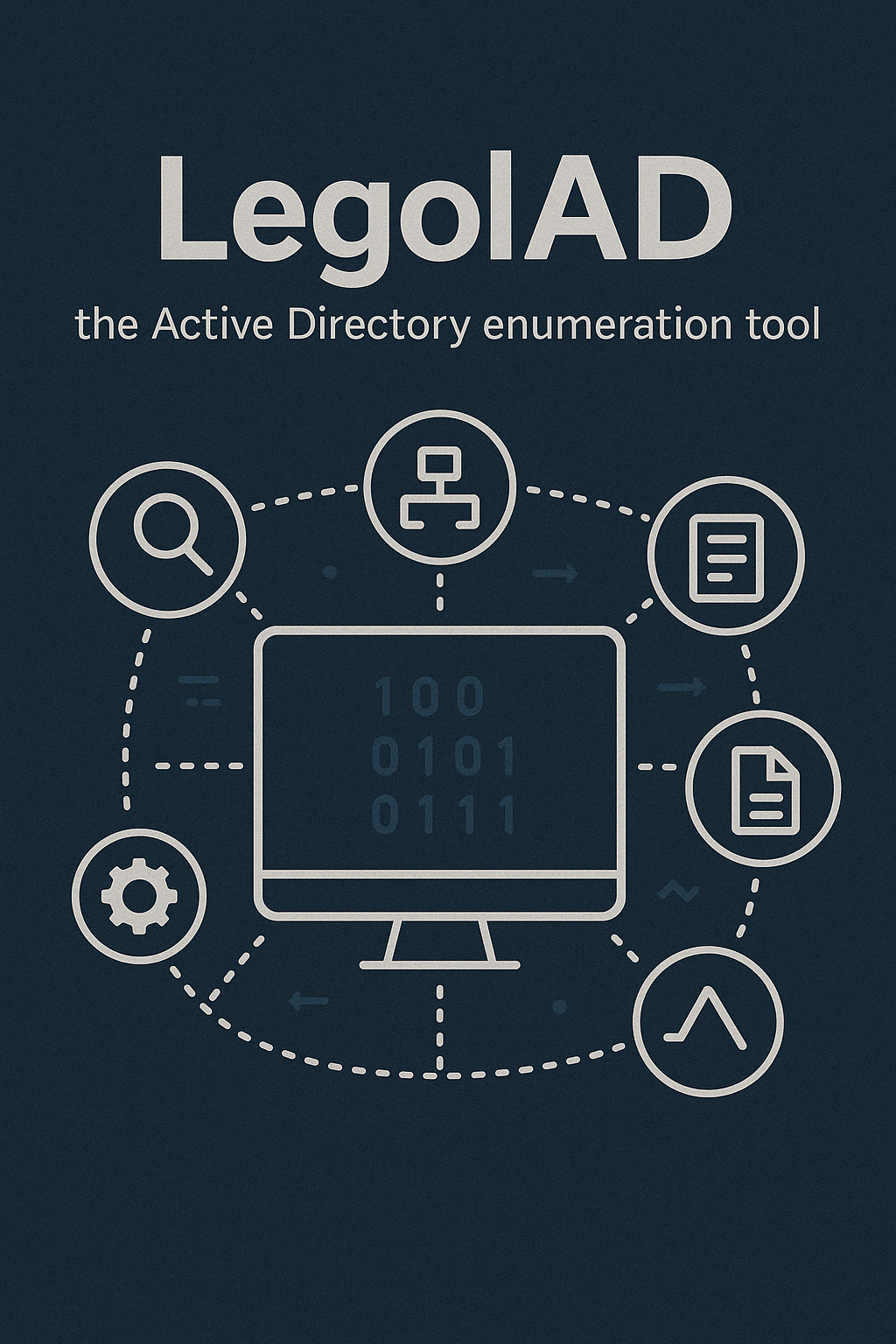
LegolAD is an enumeration tool that allows configurable network traffic for LDAP requests in Active Directory. It can be configured for scope, pagination, and jitter. The idea behind it was to evade detection by custom monitoring systems.

AIMS eCrew Authorization Bypass (CVE-2024-44450)
Access control vulnerabilities are still the most common problems in web applications. This blog post summarizes several access control issues we found in our target web application.